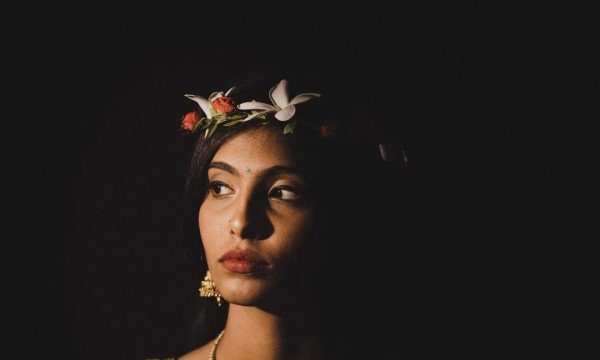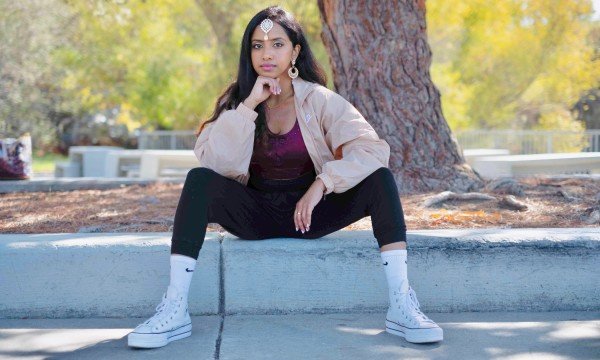

Sugenja Sri Satgunarajah channels her Tamil roots and childhood memories of her mother’s storytelling into performances that are both authentic and deeply human. From her roles in The Handmaid’s Tale and Late Bloomer, she blends discipline with curiosity, treating acting as both craft and conversation with the audience. Through her work, she hopes to spark representation and possibility for the next generation, showing that embracing your identity can be a form of art itself.
Before we move into the formal questions, could you start by sharing a little bit about yourself—where you’re from, your schooling, or anything else you’d like us to know?
Sure! My name is Sugenja Srisatgunarajah. I was born in Scarborough, Canada to two hardworking Tamil immigrant parents. I’m the middle of three sisters—my older sister is a doctor, my younger sister is an engineer—and I’m the artist of the family.
I studied biology and psychology at McMaster University, but while I was there I also trained in acting at a studio in Toronto. That’s where I discovered my true passion, and soon after graduation, an agent reached out and I transitioned into a professional career in television and film. Though I never pursued biology or psychology, those years gave me discipline and clarity, and I feel grateful to have been able to step directly into what I love.
What led you to pursue acting in the first place?
I think my love for storytelling really started at home. My dad was a long-haul truck driver, so he was often away, and my mom would tell my sisters and me fables from Sri Lanka at night. Even though I’d never been there, I could vividly picture the villages, the food, the characters—her stories made me feel safe and connected.
Later, I got fascinated with TV. Seeing kids my age—like Lindsay Lohan or the Olsen twins—carry stories on screen made me feel like there was a kind of magic to it, even if they didn’t look like me. That’s when the dream quietly started.
In university, a friend connected me to an acting studio in Toronto, and that was the first real step. It gave me a way to take that dream seriously and eventually turn it into a career.
And when your mom told you those stories, was it in Tamil?
Always in Tamil. I grew up speaking it from a very young age, so her stories were always in Tamil—and that made them even more vivid for me. Through her words, I could see places I had never visited, foods I had never tasted, and characters that were so different from what I saw on TV but just as alive and relatable. Looking back, I think my mom is a natural storyteller. She might not claim it the way I do now, but she absolutely is.
So from there, when you got to your very first audition—do you remember it? What stands out to you?
I do! My first official audition was actually kind of unofficial—it was the worldwide open casting call for Disney’s live-action Aladdin. Anyone with a phone could send in a tape singing A Whole New World. At that point, I didn’t even have an agent—I was just taking acting classes downtown—so it felt like a huge deal.
The catch was the first round was entirely singing and I am not a natural singer. I remember taking everything I had in my bank account and investing in voice lessons for a month. I was commuting downtown several times a week, practicing that song nonstop at home, working with a vocal coach—it became my whole life for weeks just to submit a 30–40 second audition.
When I finally sent it in, I was shocked to actually hear back from casting. It was the first time anyone in the industry had responded to me, and that alone felt like such a win. What I took away from it was how much dedication and discipline this career demands. It’s not just about acting—you really have to push yourself to grow in all aspects of performance.
I didn’t become Jasmine, of course—she’s an incredible singer, and I’m just an okay one—but it was the best introduction to the industry I could have asked for. It taught me that being a professional actor means being ready to stretch yourself and train across multiple crafts if you really want to work.
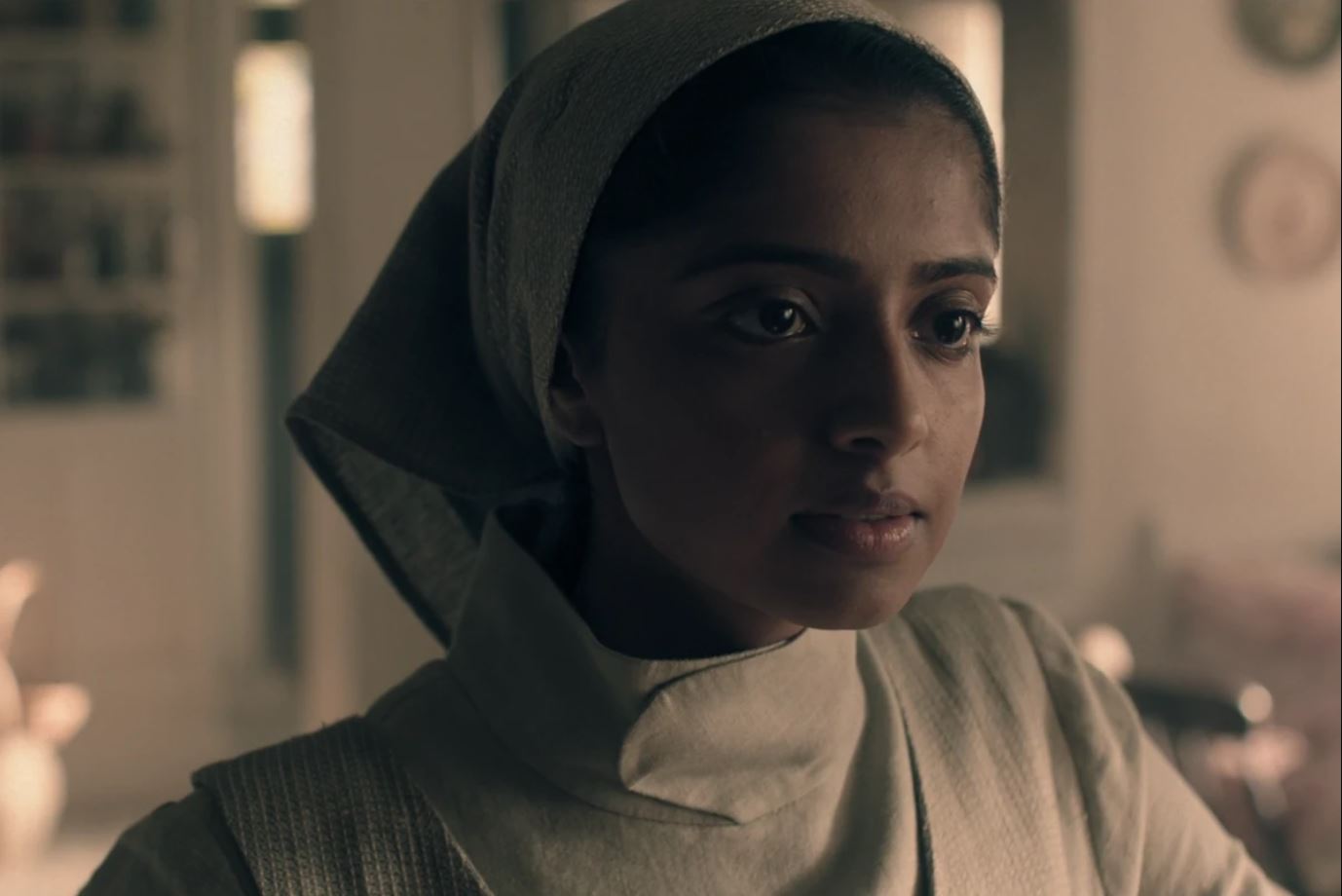
You’ve gone from training during your school years to landing roles in huge shows like The Handmaid’s Tale. How did that journey come about, and was there a moment on set where you thought, “Wow, am I really here”?
The Handmaid’s Tale was a dream job. I’d read the book, I’d binged the first two seasons, and I thought it was pure art. So when I got an audition for season two, I was over the moon. It was for a guest star role—just one episode—but still such a big deal. The show even used a code name at the time, but everyone in the industry knew what it was.
I went in, auditioned, and walked out disappointed. I felt I hadn’t done my best, and that really stuck with me. In this industry, you’re not guaranteed a second chance, so I promised myself I’d never feel that kind of regret again. I trained hard, studied the actor who eventually got the role, and used it as fuel to grow.
To my surprise, the next year casting brought me back—for an even bigger role, a recurring character in season three. I poured everything I had into that audition. This time, I left knowing I’d given it my all. Two weeks later, I got the call—I’d booked it.
Working opposite Elisabeth Moss was surreal. She’s not only an extraordinary actor but also a phenomenal leader. She knew everyone’s name on set, from camera operators to grips, and treated everyone as equals. With me, she was so generous and present, making me feel like a true partner in the scene even though I was newer. Watching her juggle being the star, executive producer, and director while staying so grounded taught me more than I could have imagined.
Honestly, getting to act across from her shaped me even more than being on The Handmaid’s Tale itself. It showed me the kind of actor—and the kind of leader—I aspire to be.
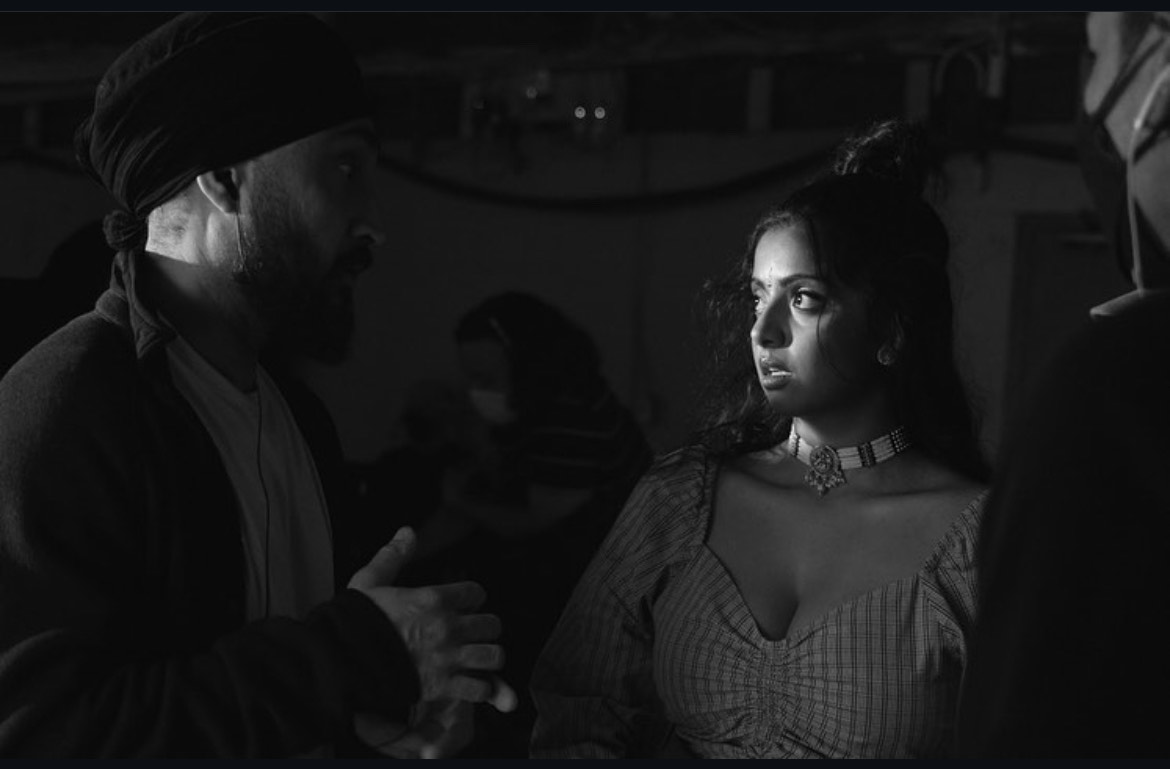
In Late Bloomer, you play Chippy—a Tamil Sri Lankan character in a storyline that’s predominantly Punjabi and Sikh. Yet your character isn’t just in the background—she has her own distinct presence and arc that people are rooting for. How did that come together?
For Chippy’s distinct presence, I really have to thank Jasmeet and the writing team. From the very beginning, when Jasmeet was crafting the show, he wanted to highlight the nuances within Toronto’s South Asian subcultures. He was very intentional about showing that “being brown” isn’t one identity—it’s a multitude of heritages and cultures, each as distinct as European countries.
With Chippy, we wanted to capture that difference. She’s part of this world, but she’s not Punjabi or Sikh—she’s Tamil Sri Lankan. That comes through in everything from her language and traditions to her visual representation. We made a conscious effort to show that—my natural hair, the sarees, the mukuti, the pottu. And for that, I have to thank our costume director, Zena Fares, who went above and beyond—visiting Tamil jewelers and South Asian stores to authentically bring Chippy’s look to life.
It was a true collaboration between the writers, the costume team, and myself. Ultimately, it wasn’t just about one character—it was about shining a light on the diversity within the South Asian community, and making space for identities like Chippy’s to be seen and celebrated on screen.
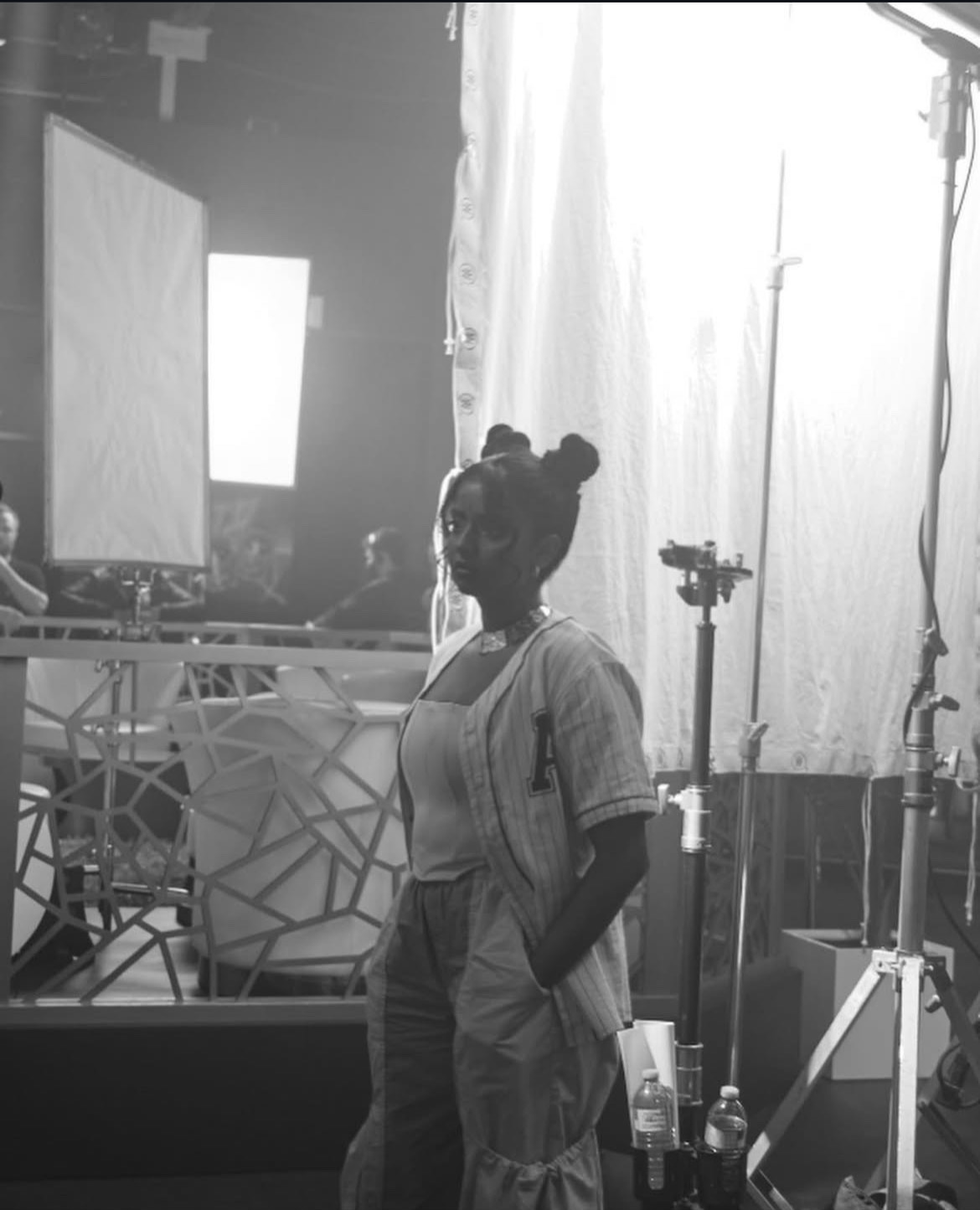
How did the opportunity to be part of Late Bloomer come about?
Just like with The Handmaid’s Tale, it started with an audition. But the process for Late Bloomer was a lot more hands-on than most projects I’ve auditioned for. This show is truly a passion project for Jasmeet, so he was very protective of the characters and relationships being brought to screen.
After my initial auditions, I had a Zoom call with him where we talked in depth about Chippy—how I saw her, and how she could be developed. That turned into chemistry reads and more conversations, where we really shaped her distinct identity together. She’s not only a tough-talking Tamil Sri Lankan character, but she also carries pieces of me—growing up in Scarborough, having a truck-driver father, those nuances that make her feel more real and grounded.
It was definitely a labor of love, and I think that collaboration is what made Chippy such an authentic, fully realized character.
You mentioned earlier how much Degrassi influenced you—it was such a culturally important Canadian show in the 90s. Today, we have productions like Late Bloomer, Kim’s Convenience, and Schitt’s Creek that are shaping culture not just in Canada but globally. Why do you think Canadian productions like these are able to stand out with such a lasting, nuanced impact compared to more mainstream American shows?
That’s a great question. I think part of it comes down to redefining what “mainstream” really means. At one point, anything that became mainstream was considered risky or new. Degrassi was exactly that—it was telling stories about teenagers in Toronto in a way no one had done before. Kim’s Convenience and Schitt’s Creek carried that same spirit by starting fresh conversations about identity, family, and belonging.
For me, Late Bloomer continues that legacy. It’s telling a story about first-generation South Asian Canadians—people who don’t necessarily have it all figured out, who might not follow the traditional path, who dream about the arts instead of the “secured” careers. Those stories haven’t always been given space, and now they are.
I think audiences respond to that honesty. These shows resonate because they’re real—they connect with people on a human level, and they allow viewers to see themselves reflected back. That’s what makes them impactful, whether you’re in Canada, the U.S., or anywhere else.
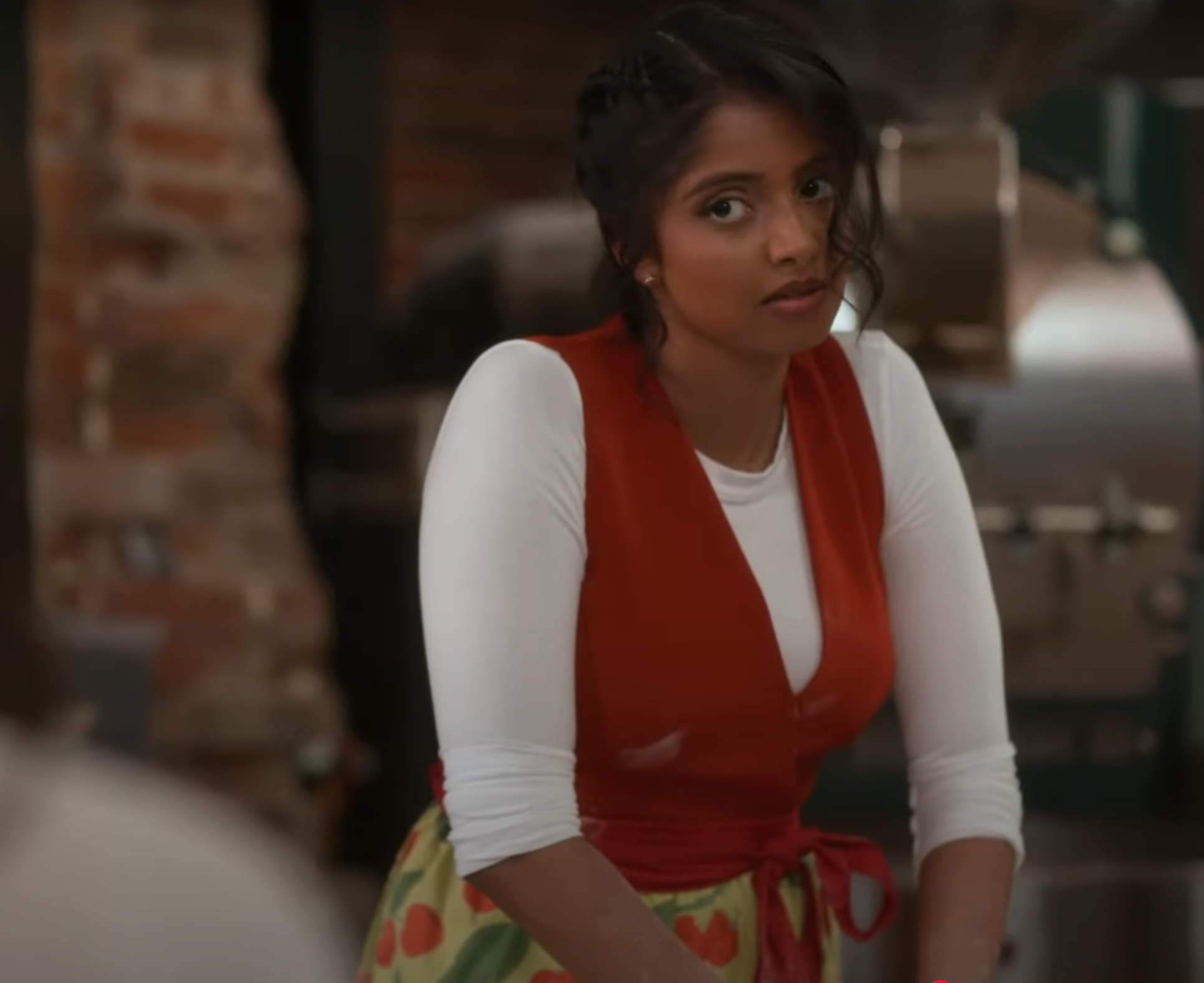
Let’s shift from on-screen to behind the scenes. Singers or painters often practice constantly to hone their craft, but for actors, we don’t always hear what that looks like. Off-screen and off auditions, what do you do to improve your craft?
I’m always coaching and training. I remember watching a Denzel Washington interview where he said he still takes acting classes—it was humbling because someone at his level never stops learning. For me, it’s the same. There’s no “arrival” in this craft—you can always grow. My coaches help me see things I might miss about a character’s journey or backstory, even when I feel I’ve explored everything.
Beyond coaching, I study audience reception. I follow YouTube channels and video essays that analyze performances and dissect why certain roles or scenes resonate. Understanding what connects with viewers helps me refine my work. For example, when developing Chippy from season two to season three, audience feedback informed how I approached her growth. Acting isn’t just about telling a story—it’s about connecting with the audience, and I take that very seriously in every role.
Outside of film and television, what helps spark your creativity or encourages different ways of thinking?
I’d say gardening is where my creativity really thrives. I’ve always felt a connection to nature, but over time it’s grown into a deep appreciation and respect. Being in the garden is healing—it’s peaceful—but it also teaches patience. In this industry, growth isn’t always immediately visible; you can’t always measure if you’re a better actor today than yesterday without feedback.
Gardening mirrors that. Seeds I plant may not bloom immediately, but over time, roots spread and plants grow, even if I can’t see it day to day. Watching a cedar or ivy flourish years after I planted it reminds me to trust the process. It’s a space that cultivates creativity, patience, and gratitude, and it teaches me to focus on nurturing the work rather than constantly measuring it.
The industry constantly tests you—auditions, rejections, criticism, roles slipping away. How do you navigate all of that, and what keeps you going?
There’s definitely a lot of noise in this industry—opinions, judgments, uncertainty. It can be hard to stay grounded when you can’t always see the progress you’re making or know how close you are to landing a role.
What keeps me centered is patience and gratitude. Gardening taught me that growth isn’t always visible day-to-day; roots are spreading even if the flowers haven’t bloomed yet. I apply that to my career, reminding myself that every role I’ve landed—every opportunity I’ve had—was once a dream I couldn’t even imagine.
Having a strong support system has also been crucial. My agents, mentors, friends, and family have reminded me of what I’ve accomplished when I feel disheartened. The industry can feel like a solo journey, but it really isn’t—it’s a labor of love supported by a community that believes in you. Trust, patience, and the love of those around me are what keep me going.
When younger kids see you on screen—whether as Chippy or Sienna—what do you hope they take away from your performance?
I want them to see themselves reflected. Growing up, I didn’t always see people like me on screen, and I want the next generation to feel represented. It’s about showing that pursuing your passions and embracing your identity is possible. If my work can inspire someone to follow their dreams or feel proud of who they are, that’s the most meaningful takeaway.
Tamil families often emphasize traditional academic paths. How did you carve out your own space as an artist while also earning your family’s support?
There’s a misconception that South Asian culture rejects the arts as a career path, but really, art is everywhere in our heritage—from temple hymns to cinema. The hesitation is usually about stability, not creativity. When I told my parents I wanted to act, I was already training seriously, just like I was with my biology studies. They saw my discipline and dedication and understood that I had a plan and resources to pursue it responsibly.
Their support, combined with my own commitment, allowed me to embrace this identity and pursue a career in storytelling. Now, I’m proud to be someone the next generation can see themselves in, honoring the arts that already exist in our culture.

TC Bits:
How would you describe your personal style?
My style is pretty relaxed—usually a t-shirt and jeans or a sweatshirt and jeans. I connect more with people through conversation than through fashion, so I haven’t explored self-expression through style much yet.
Any Tamil movies or shows that resonated with you growing up?
Not so many shows, but A.R. Rahman’s music always connected with me. Jeans stand out—the playfulness, the storytelling, and seeing Aishwarya Rai for the first time—it captivated me. I watched that VHS tape over and over.
Any pre-shoot rituals?
I do a quick body shake, some stretches, or a bit of meditation to connect with my body and the character. It helps smooth the transition from Sujenya to whoever I’m playing.
A movie or series that you recently enjoyed?
From. I love that it’s shot in Newfoundland. I know it’s American, but it has a lot of Canadian pride. I highly recommend it.
Your dream role?
Honestly, I think I’m playing it—Chippy. She’s the first Tamil Sri Lankan character I’d ever read about, and being able to connect my heritage with my passion feels like a blessing.
An artist you admire?
Kendrick Lamar. His mastery of language and performance inspires me to connect with people across backgrounds. His work reminds me of my mom’s storytelling—authentic, impactful, and universal.
Best compliment you’ve received?
The reception to my roles has been amazing. People feel seen and represented, and Chippy being vulnerable yet authentic resonates deeply. That’s the best feedback I could get.
Favorite thing to do in Toronto during the summer?
Visiting friends. I live outside the city, so any trip into Toronto to see friends feels special.
Favorite spot in Toronto?
The Distillery District. Visiting a friend there and meandering with her dog left a lasting impression.
Favorite food?
Mutton rolls! I’d make the trip to a Tamil takeout just for them and have yet to meet anyone who didn’t love them.
What does being Tamil mean to you?
Being Tamil means being unique. Our food, culture, and people are distinct. Even in my own family, my sisters and I have completely different interests, yet we’re all connected through this special community.